


How B2B Brands Can Use Athlete Influencer Marketing to Reach Corporate Decision-Makers
B2B brands can use athlete influencer marketing when the athlete’s credibility makes a business problem easier to understand. The strongest campaigns do not treat the athlete as a logo placement; they use sport, performance, leadership, recovery, teamwork, or operational excellence as the context that connects a technical product to a real decision-maker audience.
For SaaS, enterprise technology, corporate wellness, professional services, and B2B platforms, that distinction matters. The buyer may be a CFO, HR leader, operations executive, IT director, founder, or procurement lead, but that person is also a fan, athlete, parent, coach, golfer, runner, or weekend competitor. Athlete-led marketing can reach that buyer in a context where performance stories are more memorable than another product message in a crowded work feed.
Why B2B athlete influence is different from traditional sponsorship
Traditional sports sponsorship often starts with visibility: signage, hospitality, naming rights, media inventory, or brand presence around a team or event. Those can be useful, but they are not the same as athlete influencer marketing.
Athlete influencer marketing is more specific. It asks: which athlete has credibility with the audience we need to reach, what business problem can that athlete credibly help explain, and what content or activation format will feel native to the athlete’s world?
That is why B2B athlete influence works best when there is a real bridge between the product and the performance context.
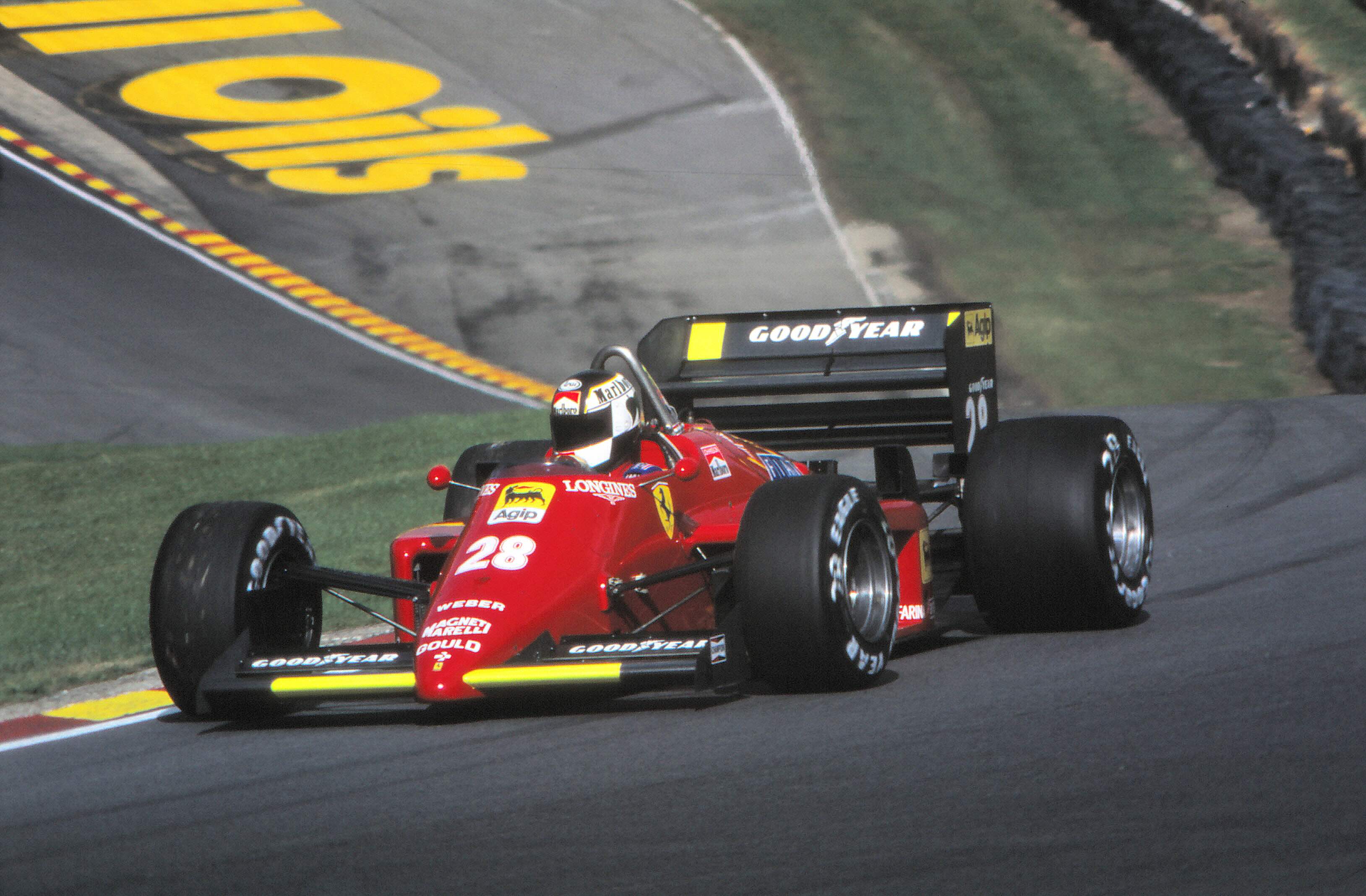
A corporate wellness brand might partner with endurance athletes around recovery, sleep, hydration, or sustainable training habits. An enterprise software company might use Formula 1, golf, or team-sport narratives to explain precision, collaboration, operational speed, or decision-making under pressure. A professional services firm might use athletes to make leadership, resilience, or high-performance team culture more tangible.
The point is not to make B2B feel like consumer marketing. The point is to make the business value easier to understand because the context is human.
What B2B brands should evaluate before choosing an athlete influencer approach
Before a B2B brand hires an athlete influencer, the evaluation should start with fit, not fame.
The right questions are:
- Does the athlete’s audience overlap with the buyer or influencer group we care about?
- Does the sport or performance context naturally connect to our business problem?
- Can the athlete explain the idea in their own voice without sounding scripted?
- What deliverables will actually support the campaign goal: awareness, event attendance, webinar signups, executive hospitality, sales enablement, content creation, recruiting, or community trust?
- What approvals, disclosures, usage rights, and measurement expectations need to be set before content is created?
For B2B marketers, athlete selection should be more like account-based strategy than broad creator buying. A smaller athlete with the right executive, founder, wellness, sport, or local-business audience may be more useful than a larger name whose audience has no buying relevance.
How different B2B athlete influencer approaches compare
What enterprise technology examples show about the opportunity
Recent enterprise sports partnerships show why the performance frame is attractive to B2B brands.
SAP described its work with Mercedes-AMG PETRONAS Formula One Team around SAP Cloud ERP Private, Business AI, SAP Business Technology Platform, and SAP Build. The story is not simply that SAP placed a brand next to Formula 1. The business narrative is operational complexity: real-time financial insight, inventory tracking, compliance reporting, predictive analytics, and decision-making inside a high-pressure environment.
Salesforce and Formula 1 have also framed their partnership around technology, fan engagement, unified data, Agentforce, Slack, sales activation, and global experiences. Again, the sports context gives the business product a more tangible story: speed, coordination, data, support, and relationship-building.
Those examples are enterprise partnerships, not templates every mid-market B2B brand can copy exactly. But they show the strategic logic. The athlete or sport context is valuable when it helps the buyer understand what the product does and why it matters.
How we would structure a B2B athlete influencer campaign
Our point of view is that B2B athlete influence needs an operator-first workflow.
Start with the business audience and the job to be done. A campaign for HR decision-makers should not look the same as a campaign for IT leaders, founders, financial buyers, or corporate wellness teams.
Then define the athlete fit. Sport, geography, audience, professional background, content style, credibility, and availability all matter. A golf athlete, endurance athlete, former team captain, local college athlete, or Olympic hopeful can each make sense in different B2B contexts.
Next, define the content role. Is the athlete explaining the product metaphor, hosting a conversation, joining an event, creating social content, supporting a launch, helping recruit participants, or bringing credibility to a community?
Finally, organize the execution. B2B campaigns usually need more coordination than a simple post: internal approvals, claims review, disclosure language, usage rights, sales-team enablement, landing pages, event details, reporting, and follow-up.
That is where athlete influencer marketing becomes a workflow problem as much as a creative problem.
A proof point from our Smeeple work
A useful B2B-adjacent example is our Smeeple athlete sourcing case study. Smeeple needed a repeatable way to recruit credible athlete mentors for its platform and Athlete-Mentors.com. The public case study shows that the campaign recruited 350+ athletes, generated 295 pieces of content, and led to 2 athlete hires.
The important lesson is not just the number of athletes. It is the operating model. We helped Smeeple launch the opportunity, generate athlete interest, communicate with athletes, identify the right candidates, and establish a recruiting channel that could be used again.
For B2B brands, that is the transferable idea: athlete influence is stronger when the brand has the infrastructure to source the right athletes, brief them clearly, manage communication, and turn the campaign into a repeatable business process.
In Summary
B2B athlete influencer marketing works when there is a clear connection between the athlete’s credibility and the business problem the brand needs to explain. The best campaigns start with audience fit, use sport or performance as a relevant context, and support the creative idea with organized execution behind the scenes.
For B2B SaaS, enterprise tech, corporate wellness, and professional services brands, the opportunity is not to copy consumer influencer marketing. It is to use Athlete Influencers to make complex business value more human, memorable, and trustworthy while keeping deliverables, approvals, disclosures, usage rights, and measurement clear.
If your team is evaluating NIL Deals, Athlete Influencers, or Influencer Marketing for a B2B campaign, the next step is to define the decision-maker audience, choose the performance context that actually fits, and build a workflow that lets the athlete’s voice do the work without losing campaign control.


