


Back to School: The Dorm-Room GRWM Recovery Loop
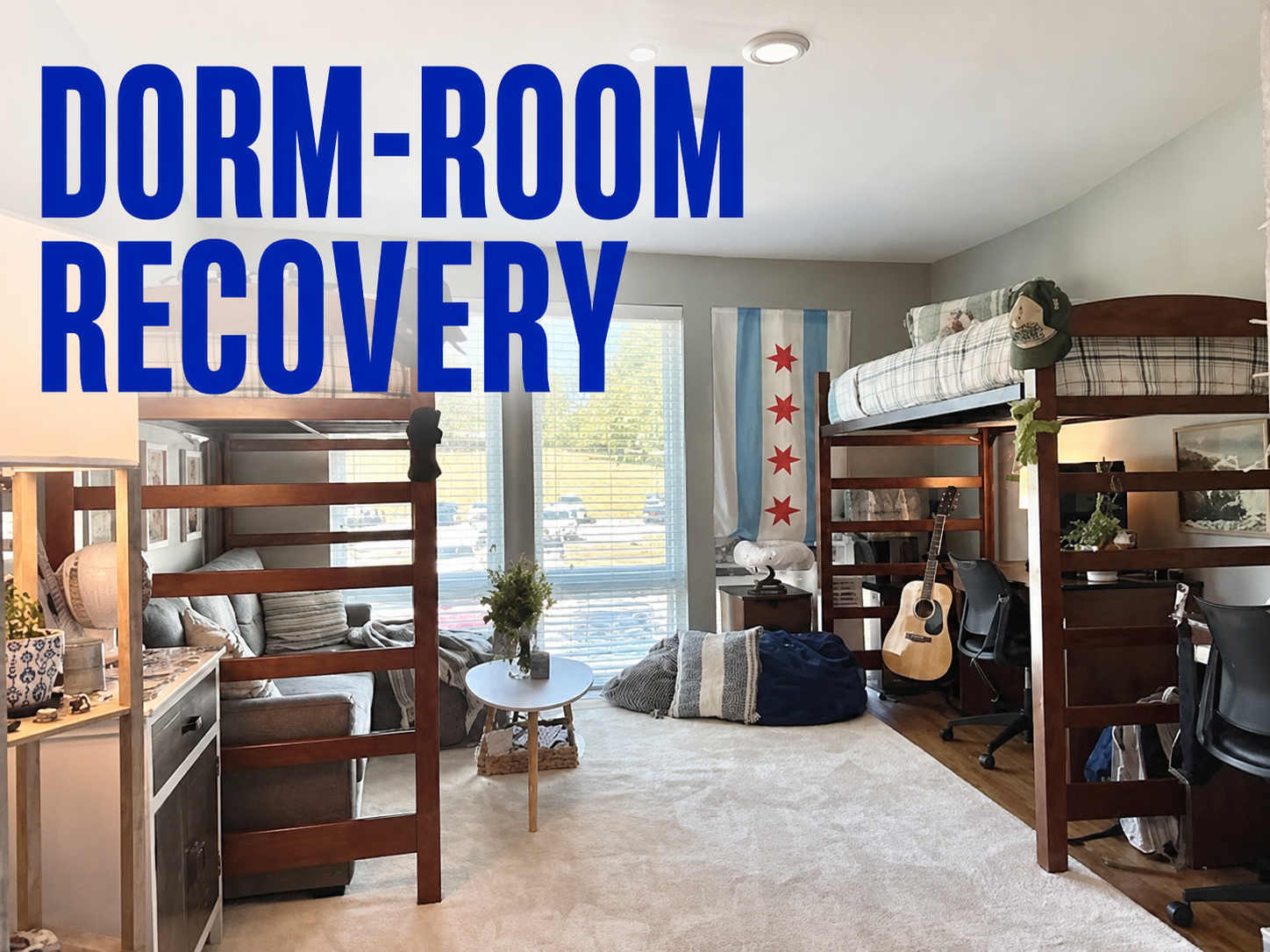
The dorm-room GRWM recovery loop is a back-to-school athlete influencer format where the product shows up inside the routine, not beside it: the 5:00 a.m. wake-up, class bag pack, pre-practice prep, lift, recovery, dorm reset, and next-day repeat. For brands trying to reach Gen Z college audiences, the opportunity is not to make a cleaner endorsement. It is to build a repeatable NIL campaign workflow around real student-athlete routines, with clear creative guardrails, usage rights, approval steps, and reporting.
Why polished back-to-school endorsements feel weaker now
Gen Z does not need another perfectly lit product shot telling them a drink, supplement, backpack, skin-care product, wearable, or snack is part of campus life. They need to see whether it actually fits the pace of campus life.
That is why GRWM and day-in-the-life formats matter for back-to-school campaigns. They make the product part of the visible sequence:
- waking up early before class or lift
- mixing hydration or packing snacks at a dorm-room desk
- getting ready in a shared mirror
- walking to class with the same bag, shoes, tech, or wellness product
- moving from class to practice
- recovering in a training room, apartment, or dorm
- doing the same thing again tomorrow
This is not about making content look worse for the sake of authenticity. It is about letting the athlete’s normal environment carry the trust. A product that survives the messy routine can feel more believable than a product shown only in a staged campaign asset.
What the recovery loop should look like
A strong dorm-room GRWM recovery loop has a simple creative arc:
1. The constraint: early class, preseason camp, two-a-day practice, travel, training, recovery, or a packed student-athlete schedule.
2. The routine: what the athlete actually does before, during, and after the day.
3. The product role: where the product fits naturally, without turning the video into a hard sell.
4. The repeat: the product appears across multiple moments or multiple athletes, making the behavior feel normal rather than forced.
5. The handoff: the content can become organic posts, paid amplification, whitelisted creative, product-page proof, email creative, or retail media support if the rights are captured correctly.
For consumer brands, the highest-fit categories include hydration, supplements, recovery, wellness, beauty, hair care, apparel, footwear, snacks, dorm essentials, productivity tools, and campus tech. The common thread is not category. It is routine relevance.
How brands should run this through NIL Deals
The operational mistake is treating this like a single influencer post. The better approach is to run it as a content system.
For NIL Deals built around Athlete Influencers, the brief should define the routine moments, not over-script the athlete’s words. A useful brief might say: show your morning prep, include the product only where it naturally belongs, capture one recovery moment, and explain why the routine matters during back-to-school season. It should not dictate every sentence, camera angle, or facial expression.
Before launch, brands should align on:
- target athlete segments by school, sport, geography, audience, and campus culture
- required deliverables by format, length, and platform
- product seeding and shipping timelines
- claims the athlete should avoid, especially health, performance, or recovery efficacy claims
- approval owners and turnaround times
- content usage rights for paid social, creator whitelisting, landing pages, retail, and email
- performance reporting expectations
Our POV: the creative wins when the athlete keeps the routine real, and the campaign wins when the brand keeps the workflow structured. We help brands keep discovery, deal execution, content review, usage rights, and reporting organized so athlete content can scale without becoming generic.
What Liquid I.V. proves about routine-based athlete content
Our Liquid I.V. athlete influencer program is the clearest proof point for this type of back-to-school strategy. Liquid I.V. wanted to build awareness with Gen Z consumers and college student bodies, and the program centered on mass-scale product seeding, athlete UGC, monthly restocks, unique links, discount codes, and content showing athletes using the product in daily life.
Across the six-month campaign, the public case study reports 4,115 athlete brand ambassadors across 373 schools and 41 sports, 10,965 pieces of UGC content, and 101 million estimated impressions. Those numbers should not be treated as a benchmark for every GRWM or recovery-loop campaign. They do show why routine-based athlete content can become more than a one-off post when the product has a natural campus use case and the operating system can support scale.
How to measure a dorm-room GRWM campaign
A recovery-loop campaign should be measured across creative output, content quality, and downstream usage, not only vanity engagement.
Useful measurement questions include:
- Did the right athletes post the right content on time?
- Did the product appear naturally inside the routine?
- Which moments drove saves, comments, shares, link clicks, or paid creative performance?
- Did the brand capture the usage rights needed to reuse the strongest content?
- Which schools, sports, and athlete segments produced the most usable creative?
- Did the campaign create a repeatable content library for back-to-school, preseason, game day, or retail moments?
This is where Influencer Marketing operations matter. If deliverables, approvals, rights, and reporting live in scattered spreadsheets and inboxes, the brand may get posts but lose the content system. If the workflow is structured, the same concept can become a repeatable campaign format.
FAQ: Dorm-room GRWM and athlete influencer campaigns
How should brands use student-athlete GRWM content during back-to-school season?
Brands should use student-athlete GRWM content to show how the product fits into real campus routines: waking up, packing, class, training, recovery, studying, and dorm reset. The content should feel athlete-led and specific, while the campaign workflow should define deliverables, claim boundaries, usage rights, and approvals.
What makes athlete GRWM content different from a normal creator endorsement?
Student-athletes have built-in routine credibility because their days combine school, training, competition, recovery, travel, and campus life. When a product appears naturally in that rhythm, the content can feel like peer-to-peer proof instead of a polished ad.
Which brands are best suited for the dorm-room recovery loop?
The strongest fits are brands whose products solve a daily student-athlete routine need: hydration, supplements, wellness, beauty, apparel, footwear, snacks, dorm essentials, productivity tools, and campus tech. The format is weaker when the product has no believable role in the athlete’s actual day.
What should brands avoid?
Brands should avoid over-scripting the athlete, making unsupported health or performance claims, asking for unrealistic production quality, or launching without clear usage rights. The format works because it feels lived-in; too much polish can make it less credible.
How does MOGL support this kind of campaign?
We support the operating layer behind the campaign: finding the right Athlete Influencers, managing NIL Deals, coordinating content deliverables, tracking approvals, organizing rights, and reporting on campaign output. That structure helps brands scale routine-based content without losing authenticity or control.
In Summary
The dorm-room GRWM recovery loop works because it turns back-to-school marketing into proof-of-use. Instead of asking Gen Z to believe a product belongs on campus, athlete creators can show where it fits inside the real student-athlete day.
For brands, the winning play is simple: keep the content athlete-led, keep the claims safe, and keep the campaign workflow disciplined. The less the post feels like a traditional endorsement, the more important the backend becomes.


