How Brands Can Use Athlete Influencers Around Summer Holidays
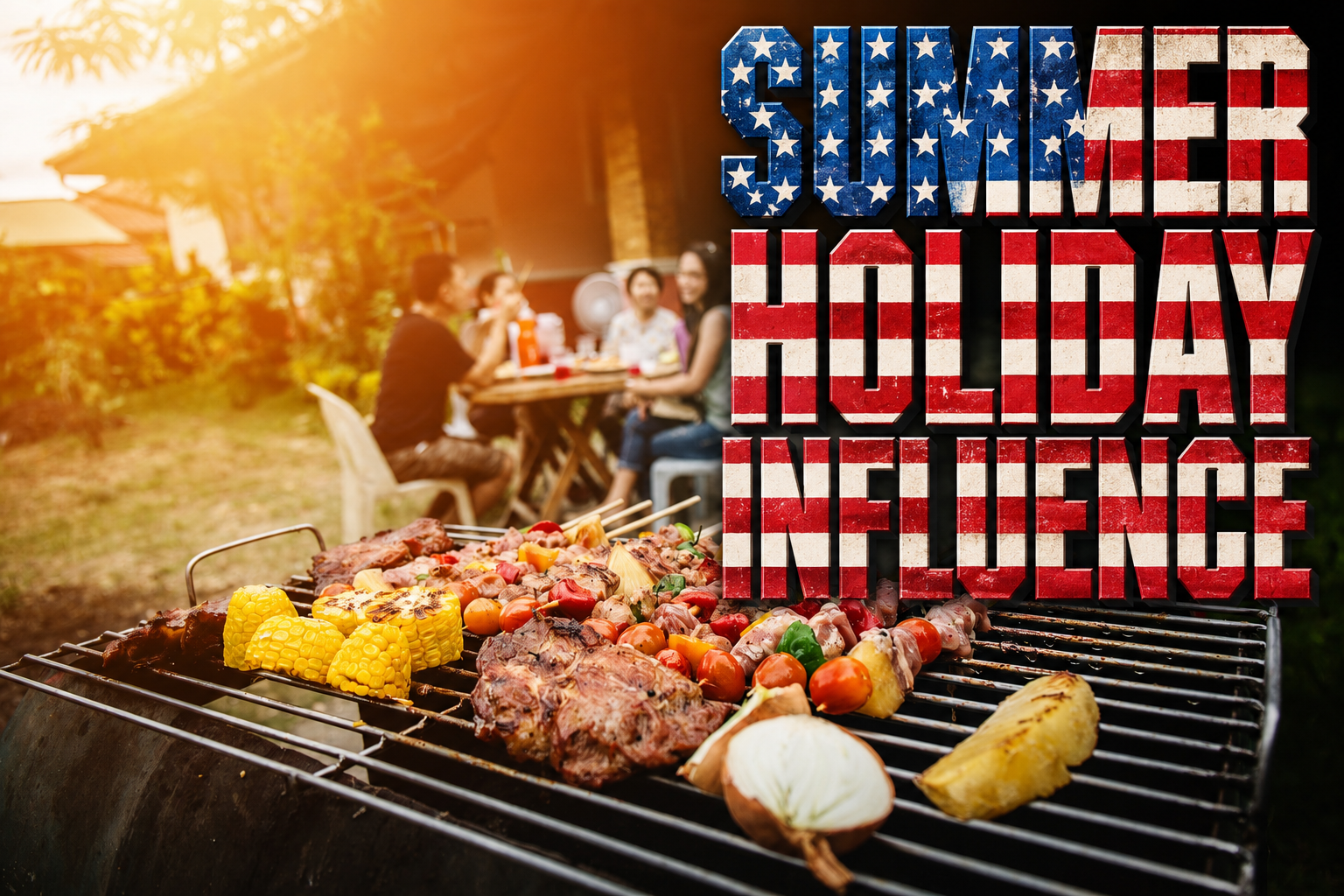
Summer holidays are not dead space in the sports calendar. They are high-context moments when fans see athletes as people: hosting, recovering, travelling, grilling, packing coolers, playing lawn games, and spending time with friends or family. For consumer brands, that makes July 4th, lake weekends, tailgates, and summer stock-up windows valuable opportunities for athlete lifestyle content.
The best version is not a forced product shot in a gym. It is a product showing up naturally inside a believable athlete routine, with a workflow behind it that keeps the brand safe: clear creative direction, disclosure requirements, claims review, NIL Deals terms, usage rights, approval history, and paid amplification status.
What is changing in athlete influencer marketing?
Athlete influence is moving beyond the field of play and the training environment. Fans still care about performance, but they also follow the everyday rhythms around performance: what athletes drink after training, what they bring to a weekend trip, where they eat with teammates, how they host, and how they relax.
That shift matters because holiday weekends are built around routines. People are buying groceries, loading coolers, choosing drinks, planning travel, ordering food, and preparing for social moments. Athlete content can make a brand feel relevant in that decision window when the product genuinely belongs in the scene.
For hydration, wellness, food, restaurant, retail, travel, and summer lifestyle brands, the opportunity is to move from "athlete holding product" to "athlete using product in a moment the audience already understands."
Why holiday-window athlete content can work
A holiday weekend gives the brand a ready-made narrative. The creative does not have to invent urgency. The audience already knows the occasion.
That creates several advantages:
- The content can feel more casual and less overproduced.
- The product can appear in a real environment, not a staged endorsement setup.
- The athlete can connect the brand to community, downtime, and everyday rituals.
- The post can support retail, local-market, stock-up, or seasonal messaging.
- The brand can reuse strong content in paid social if usage rights and approvals are clear.
This is especially useful for categories where context drives credibility. A hydration product in a cooler, a better-for-you snack at a backyard gathering, a restaurant stop during a road trip, or a recovery product after a morning workout all have a more natural role than a generic caption about brand love.
For a public example of athlete content scaling into everyday product usage, MOGL’s Liquid I.V. scaled athlete influencer program connected the brand with 4,115 brand ambassadors, nearly 11,000 pieces of UGC content, and 101 million total impressions across the program, according to the public case study. The lesson is not that every holiday campaign will reach that scale. The lesson is that athlete-led content becomes more valuable when the product has a repeatable role in daily life and the campaign has the operations to support scale.
What should brands ask athletes to create?
The strongest summer-holiday briefs usually give athletes a scenario, not a script.
Examples:
- Show what is in the cooler for a lake day or BBQ.
- Film a quick pre-party or post-workout recovery routine.
- Capture a restaurant run with teammates or friends.
- Share a casual "host setup" for a backyard gathering.
- Post a travel-day packing or road-trip essentials clip.
- Create a short photo carousel around a holiday weekend ritual.
The important part is fit. If the product does not belong in the moment, the content will feel like an ad wearing a holiday costume. If it does belong, the athlete can make the brand feel like part of the weekend.
What should the workflow include?
The creative moment may look casual, but the campaign workflow should not be casual.
Before the content goes live, brands should know:
- Who approved the brief and deliverables.
- Whether the athlete has permissioned organic-only or paid usage.
- Whether disclosures are required and where they should appear.
- Whether any product, health, performance, or sales claims need review.
- Which version of the content is approved.
- Whether the asset can be boosted, whitelisted, or reused in paid media.
- Where comments, revisions, and approvals are documented.
That is the difference between a fun holiday activation and a scalable athlete influencer program. The brand should be able to move quickly without losing control of rights, review, and compliance-sensitive details.
Our POV
Holiday weekends are campaign moments, not calendar gaps. Brands should treat them as lifestyle activation windows where athletes can show how a product fits into real life.
The goal is not to over-script the athlete or turn every BBQ into a commercial. The goal is to give the athlete a believable setting, protect the brand with a clear operating workflow, and capture content that can support organic reach, paid amplification, and future creative learning.
If the brand can answer what the athlete should make, why the product belongs, who approved the content, and how the asset can be used after posting, the campaign is in a much stronger position.
In Summary
Summer holiday athlete content works best when it is contextual, useful, and operationally controlled. The creative should feel like a real athlete routine. The workflow behind it should be structured enough for approvals, disclosures, usage rights, and paid amplification.
For brands planning July 4th, BBQ, lake-weekend, tailgate, or summer retail campaigns, athlete influencers can do more than fill the feed. They can make the product feel present in the moments consumers are already planning around.
FAQ
How should brands use athlete influencers around summer holidays?
Brands should brief athletes around believable summer routines such as BBQs, lake trips, travel days, cooler packing, restaurant runs, recovery moments, or casual gatherings. The product should have a natural role in the moment, and the brand should define approvals, disclosures, claims boundaries, usage rights, and paid amplification rules before the content goes live.
Why does athlete lifestyle content work for CPG, hydration, wellness, and retail brands?
It works when the product fits naturally into the athlete’s real routine. Fans are not only watching athletes compete; they are also watching how athletes live, recover, travel, and spend time with friends. That gives consumer brands a more authentic context than a generic product endorsement.
What should brands avoid in holiday athlete campaigns?
Brands should avoid over-scripting, unsupported performance or sales claims, unclear disclosure guidance, vague NIL Deals terms, and vague usage rights. For regulated categories, including alcohol or RTD beverages, brands should apply additional age, platform, and compliance review before activation.