How Consumer Brands Can Improve Athlete Influencer Marketplace Campaign Performance
Athlete influencer marketplace campaigns underperform when you treat athlete participation as the strategy instead of building around product fit, audience fit, authentic creative, clear NIL deal expectations, and performance measurement.
Why do athlete influencer marketplace campaigns underperform?
The short answer for consumer brands
Athlete influencer marketplace campaigns usually underperform when you treat the campaign like a transaction instead of a marketing system. You post an opportunity, recruit athletes, approve content, and wait for results. But strong Influencer Marketing requires more than participation. It needs product fit, audience fit, creative direction, content approval workflow, NIL Deal clarity, and measurement.
The common failure modes are:
- weak product-athlete fit
- poor audience targeting
- over-scripted content
- too few creative variations
- unclear NIL Deal expectations
- no paid amplification plan
- weak performance tracking
- campaign timing that misses the cultural moment
We can make it easier to discover and manage Athlete Influencers, but the strategy still determines whether your campaign creates qualified traffic, engagement, sales, or repeatable learning.
What role does product-athlete fit play in campaign performance?
Athlete Influencers perform best when the product belongs in their real life
The most effective athlete influencer campaigns feel obvious. Your audience should immediately understand why the athlete is using, wearing, eating, drinking, recommending, or talking about the product.
That is why categories like fitness, hydration, recovery, apparel, beauty, personal care, food, beverage, travel, and student-life products often work well with Athlete Influencers. These products can fit naturally into training routines, campus life, game days, team travel, recovery rituals, and everyday student schedules.
When product fit is weak, content starts to feel like a forced endorsement. Your audience may still see the post, but they are less likely to trust it, engage with it, or take action.
What should you ask before launching NIL Deals?
Before launching NIL Deals with athletes, ask:
- Would this athlete realistically use this product?
- Does the product connect to training, performance, school, lifestyle, identity, or community?
- Can the athlete tell a believable story in their own voice?
- Would the audience understand the connection without a long explanation?
If the answer is no, the campaign may struggle before the content is even created.
Why does audience fit matter more than follower count?
Large followings do not guarantee strong Influencer Marketing results
A common mistake in athlete influencer marketing is choosing athletes primarily because of follower count, school name, or sport. Those factors can matter, but they are not enough. Audience fit is often more important than athlete popularity.
A student-athlete with a smaller but highly engaged campus audience may be more valuable for a student-focused consumer product than a larger athlete account with a less relevant following. The better question is not “who has the most followers?” It is “which athlete has the audience most likely to care about this product?”
Evaluate Athlete Influencers based on:
- audience demographics
- engagement quality
- content style
- brand alignment
- campus or regional relevance
- sport and lifestyle connection
- past content performance
- ability to tell a believable product story
Follower count can create reach, but audience fit creates relevance.
What the WUV U campaign shows
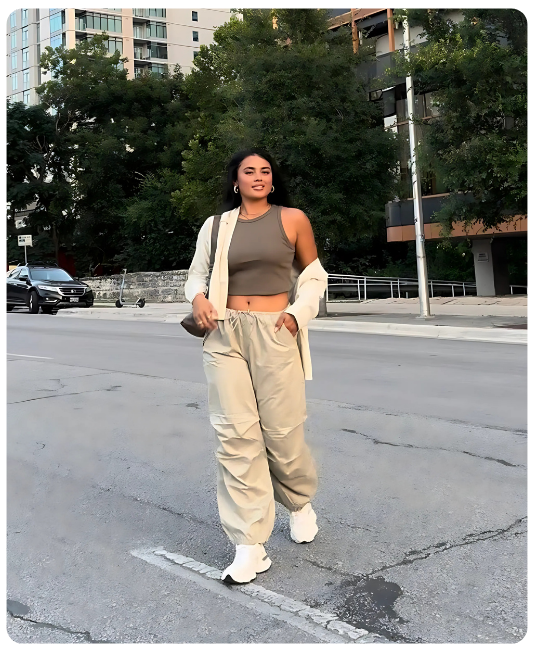
WUV U success story is a useful example. The campaign activated 31 female student-athletes across universities through coordinated organic social content. According to the published case study, the campaign generated 8.5k impressions and an 8.95% engagement rate, listed as 448% higher than the industry average.
The lesson is not simply “use more athletes.” The lesson is to use the right group of athletes for the right consumer context. A focused group of Athlete Influencers can outperform a broader campaign when the athletes match the product, audience, message, and creative format.
How does creative strategy cause athlete influencer campaigns to fail?
Over-scripting makes athlete content feel like an ad
Athlete Influencers are effective because they bring credibility, community, and lived experience. When you force them into a rigid script, that advantage can disappear.
Over-scripted campaigns often include:
- too many mandatory talking points
- corporate language athletes would not naturally use
- product claims disconnected from the athlete’s life
- content formats that do not match the athlete’s normal posting style
- approval processes that remove personality from the final asset
The result may satisfy the deliverable, but it often does not resonate with the audience.
Strong creative direction gives athletes a story, not a script
Better creative briefs give athletes a clear campaign goal while leaving room for authentic execution. Instead of telling every athlete exactly what to say, you can offer content angles like:
- “Show how this fits into your daily routine.”
- “Share when you use this before or after training.”
- “Explain why this helps during a busy school week.”
- “Create a day-in-the-life post featuring the product naturally.”
- “Connect the product to a personal habit, sport, or campus moment.”
This gives you consistency without stripping away the athlete’s voice.
How should you compare different campaign workflow approaches?
| Workflow Approach | Pros | Cons | Best For |
|---|---|---|---|
| Manual Spreadsheets and Shared Drives |
|
|
Small tests with very few athletes and low approval complexity |
| General Influencer Marketplaces |
|
|
Broad creator campaigns where athlete specificity is not central |
| NIL Marketplaces and Collectives |
|
|
School-specific, regional, or relationship-driven NIL Deals |
| Athlete-First Influencer Marketing Workflows |
|
|
Consumer brands using Athlete Influencers for repeatable, measurable campaigns |
Why do unclear NIL Deal expectations create underperformance?
Athletes need to understand what “good” looks like
Even when product and audience fit are strong, campaigns can underperform if the NIL Deal is unclear. Athlete Influencers need to know what content is expected, when it is due, what claims are allowed, how revisions work, and what approval means.
If expectations are vague, athletes may submit content that is late, off-message, hard to approve, or difficult to repurpose. That slows down the campaign and makes it harder for you to learn what actually worked.
Strong NIL Deals should define:
- deliverable type
- content angle
- usage expectations
- due dates
- approval process
- revision process
- required disclosures
- performance goals or learning goals
Clear expectations do not make content less authentic. They make it easier for athletes to create authentic content that still supports your campaign.
Why does performance measurement matter after the campaign launches?
You need to learn which athletes, audiences, and messages worked
A campaign can generate impressions and still underperform if you cannot explain what happened. Look beyond top-line reach and ask which athlete, message, product angle, and audience segment created the strongest signal.
Useful questions include:
- Which athletes drove the highest engagement quality?
- Which content angles produced the best comments, saves, clicks, or conversions?
- Which audience segments responded most strongly?
- Did organic content create assets worth amplifying through paid media?
- What should change in the next campaign?
Without measurement, you may repeat weak creative or overlook the athletes who created the strongest signal.
In Summary
- Athlete influencer marketplace campaigns underperform when you treat athlete participation as the strategy instead of building a complete campaign system.
- Product-athlete fit matters because the product needs to feel natural in the athlete’s real life.
- Audience fit often matters more than follower count because relevance drives trust and action.
- Over-scripted content can weaken the authenticity that makes Athlete Influencers valuable.
- Clear NIL Deal expectations help athletes understand deliverables, revisions, approvals, and usage.
- Performance measurement helps you learn which athletes, messages, and audiences are worth scaling.
- The WUV U campaign shows how focused athlete selection and relevant execution can help a consumer campaign outperform broad benchmarks.