


Offline-First Community Pop-Ups: How Brands Can Turn Athlete Influence Into Real-World Momentum
Offline-first athlete influencer activations work when a brand creates a credible real-world community moment first, then uses athlete and creator content to extend that moment online. The athlete is not just a media placement; they are a context bridge between the brand, the community, and the story being shared.
Why are feed-only campaigns losing energy?
Digital campaigns are not going away. But purely feed-first influencer marketing is easier to ignore than ever.
Consumers are surrounded by sponsored posts, creator ads, product drops, and brand collabs. The more everything looks like content, the harder it is for a brand moment to feel like it actually happened anywhere.
That is why offline-first community pop-ups are becoming more useful for athlete influencers. They give a campaign a real environment, real people, and real social proof before the post ever goes live.
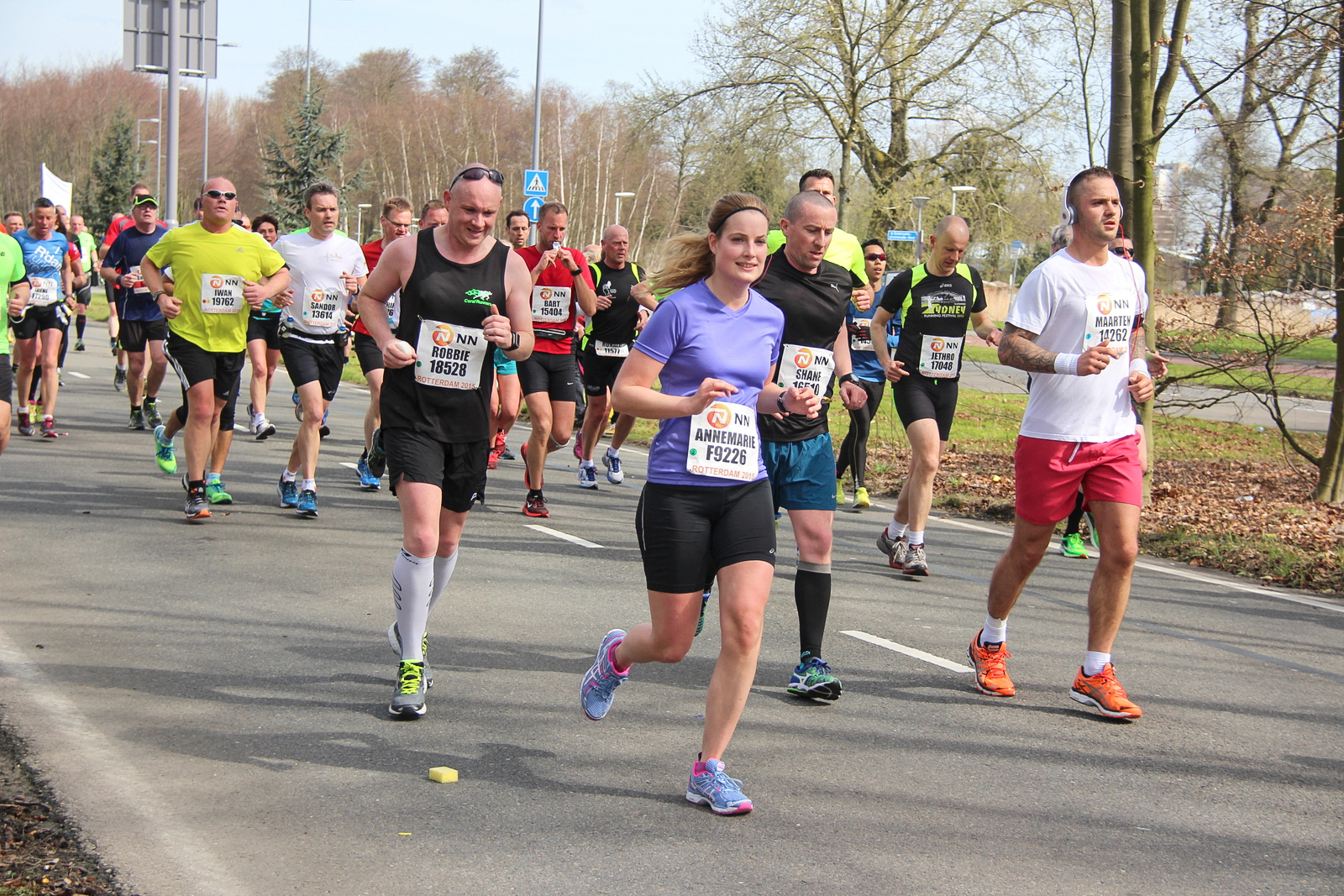
A useful example showed up around the LA Marathon. Glossy reported that wellness and fitness brands used runs, talks, fitness classes, gifting suites, cheering sections, and community events to participate in marathon weekend rather than simply advertise next to it: https://www.glossy.co/beauty/wellness/how-brands-are-showing-up-around-the-la-marathon-this-weekend/
Strava’s role was especially relevant. The company hosted run club founders, creators, and athletes for a two-mile shakeout run followed by a panel and Q&A. Glossy reported that Strava internally calls these pop-up meetups its “Kudos Collective” program, tied to races and cultural running or cycling moments.
The broader lesson is simple: when the community is already gathering, the strongest brand move may be to convene, support, and amplify the moment.
What is an offline-first athlete influencer activation?
An offline-first athlete influencer activation is a campaign built around a real-world experience before it becomes a social content plan.
That experience might be a run club meetup, product trial, campus appearance, game-week event, local-market pop-up, recovery session, athlete-hosted class, or community challenge.
The content still matters. But the content is downstream of the experience.
That distinction matters because athlete influencer marketing works best when the athlete has a natural reason to be there. The athlete is not carrying a brand message in isolation. They are participating in a setting where their credibility, routine, sport, audience, or local connection makes the brand easier to understand.
Why are athletes well suited to offline-to-online campaigns?
Athletes already sit at the intersection of performance, community, identity, and routine.
That makes them useful partners for campaigns where the product or brand story needs more than a static post. A runner can bring credibility to a shakeout event. A basketball player can bring attention to a campus activation. A local athlete can help a brand feel present in a specific market.
The key is fit.
An athlete should not be forced into a campaign just because they have reach. They should help make the moment more believable.
For brands, that means asking a better question than “Who can post about this?”
Ask: “Who makes this moment feel real?”
What can brands learn from the Strava model?
The Strava example is useful because it does not treat influence as a one-way broadcast.
It brings together people who already shape the running conversation: run club founders, creators, athletes, and community members. The event gives them a reason to connect. The content comes from the credibility of the room.
For teams planning NIL deals, that points to a practical operating model:
- Start with a community moment, not a content format.
- Choose athletes based on audience fit, geography, sport, lifestyle, and credibility.
- Give the activation a real role for attendees: participate, try, learn, recover, compete, celebrate, or gather.
- Define deliverables without over-scripting the athlete’s voice.
- Capture usage rights, disclosures, approvals, and reporting requirements before the event.
- Measure both the offline and online outcomes.
Offline-first does not mean measurement-light.
A strong activation should still have clear success indicators: attendance, sign-ups, sampling, content completion, engagement, reach, UGC volume, local-market lift, earned media, or qualified traffic.
How does this show up in local-market campaigns?
We have seen the operational side of this model matter in local-market campaigns.
In our Circle K case study, the brand wanted to promote summer beverage pricing in specific Southeastern markets. We sourced 35 athlete influencers, coordinated in-store appearances and social promotion, managed scheduling and content delivery, handled approvals, and supported campaign reporting.
The campaign reached 1.1 million Gen-Z consumers and generated 2,300 engagements: https://www.mogl.online/brands/success-stories/circle-k-case-study
That is not the exact same format as Strava’s run-community pop-up, but it proves the core operating principle: when a brand needs local presence, athlete fit, content coordination, approvals, and reporting, the workflow matters as much as the idea.
The best offline-first activations are not improvised. They are designed.
What can go wrong?
Offline-first campaigns can fail when the brand treats the event as a prop.
Common mistakes include:
- choosing athletes for reach instead of relevance
- forcing a scripted message into a community setting
- under-planning logistics, approvals, and disclosures
- failing to clarify usage rights before content is created
- measuring only impressions while ignoring participation quality
- claiming performance lift without reliable evidence
The original signal referenced a “4x higher audience retention” claim, but I did not verify that exact figure in the public Glossy source. Unless a reliable source is attached, the draft should avoid using the figure as fact.
Our point of view
Our point of view is that the athlete should be the context bridge, not the billboard.
Offline-first community pop-ups work when the brand earns a role in a real community moment, then gives athletes enough structure to participate clearly and enough freedom to sound human.
That is where the best content comes from.
Not from asking an athlete to pretend a campaign matters.
From building something worth showing up for.
In Summary
Offline-first athlete influencer activations help brands turn real-world participation into more credible digital content.
The playbook is not “host an event and hope people post.” It is to build a relevant community moment, select athletes who make the moment more believable, define the workflow upfront, and measure both participation and content outcomes.
For brands facing feed fatigue, the opportunity is clear: stop treating social posts as the whole campaign. Use athlete influence to create moments people actually want to join.
FAQ
What is an offline-first athlete influencer activation?
An offline-first athlete influencer activation is a campaign built around a real-world experience, such as a pop-up, run, campus appearance, product trial, or local event, before it becomes a social content plan.
Why do offline-first campaigns work for athlete influencer marketing?
They give athletes a natural context for participation. Instead of forcing a sponsored message into a feed, the brand creates a real moment that athletes can credibly join, document, and share.
What should brands measure in offline-to-online activations?
Brands should measure both event and content outcomes, including attendance, sign-ups, sampling, UGC volume, reach, engagement, usage-rights completion, local-market activity, and qualified traffic.


