How Consumer Brands Can Build Gen Z Trust With Female Athlete Influencers
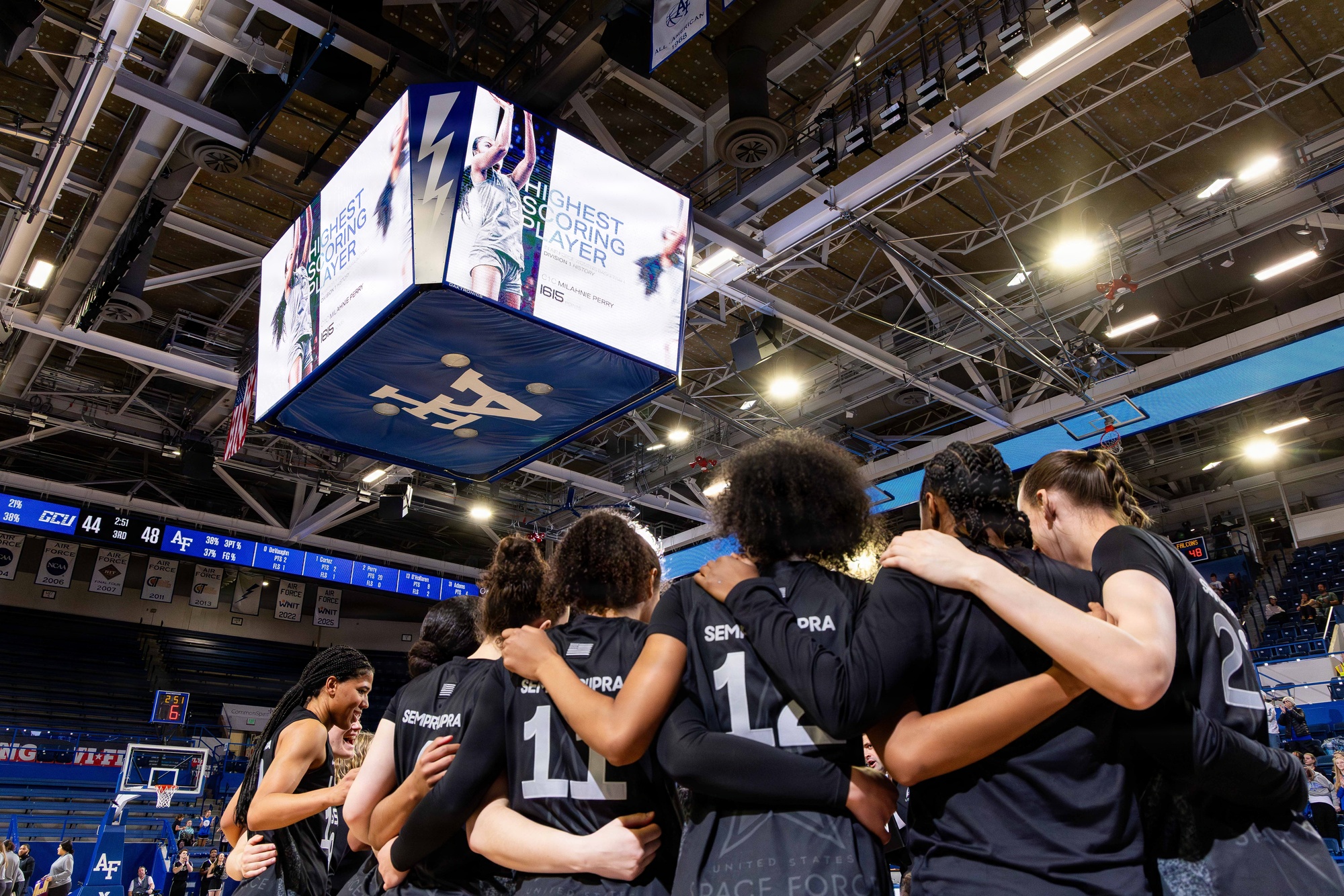
Female athletes are becoming increasingly important Athlete Influencers for consumer brands that want to earn Gen Z trust. The opportunity is not simply that women’s sports are growing. It is that many female athletes bring a rare mix of credibility, community, story, and audience alignment that can make NIL Deals and Influencer Marketing feel more authentic when the partnership is designed well.
Why do female athlete influencers matter for Gen Z brand trust?
Gen Z is highly fluent in sponsored content. Your audience can usually tell when a partnership is just a paid placement, and they are quick to ignore campaigns that feel disconnected from the person posting them.
That is why female athletes can be so valuable for consumer brands. Their influence is often built around discipline, identity, community, and lived experience — not just reach. A college basketball player sharing a recovery product, a women’s soccer player promoting a wellness brand, or a volleyball athlete talking about apparel she actually trains in can feel credible because the product connects to the athlete’s real routine.
For brands, that credibility matters. The goal is not to borrow an athlete’s audience for one post. The goal is to build a campaign where the athlete’s story, audience, and content style make the product feel more relevant.
When female athlete partnerships work, they usually do three things well:
- The athlete has a natural connection to the product category.
- The content feels native to how that athlete already communicates.
- The brand gives the athlete enough structure to stay on-message without over-scripting the post.
That balance is where Athlete Influencer campaigns can outperform more generic creator activations.
What makes women’s sports different for brand partnerships?
Women’s sports are not just a smaller version of men’s sports. They often create different kinds of fan relationships.
Fans of female athletes tend to follow the full story: training, team culture, off-field identity, advocacy, school pride, personal milestones, and community. That gives brands more ways to build meaningful content than a basic product endorsement.
For example, a consumer brand could build a campaign around:
- game-day routines
- training and recovery
- confidence and performance
- campus life
- wellness habits
- travel days
- community impact
- first-time athlete entrepreneurship
This gives you more creative surface area. Instead of asking an athlete to hold a product and repeat a caption, you can create a partnership that fits naturally into the athlete’s life.
That matters for Gen Z because authenticity is rarely created in the edit. It usually comes from fit. If the athlete, product, audience, and message make sense together, the content has a better chance of feeling real.
How should consumer brands evaluate female athlete influencer partnerships?
The strongest campaigns usually start with audience fit before follower count.
Reach still matters, but it should not be the first filter. For brands trying to reach Gen Z, the better question is: why would this athlete’s audience care about this product?
A practical evaluation framework should include:
Product fit
Does the product belong in the athlete’s actual life? A hydration, apparel, wellness, beauty, food, or student-life brand may have a very different fit depending on the athlete’s sport, content style, schedule, and audience.
Audience fit
Does the athlete reach the type of Gen Z consumer you care about? For some brands, that may mean campus communities. For others, it may mean young fitness consumers, women’s sports fans, local shoppers, or students with specific lifestyle interests.
Story fit
Can the athlete explain the partnership in a way that feels intuitive? If the audience has to work hard to understand why the athlete is promoting the product, the campaign may feel forced.
Creative fit
Does the athlete already create the kind of content your campaign needs? Some athletes are strongest in short-form video. Others are better at lifestyle content, behind-the-scenes storytelling, or community-driven posts.
Measurement fit
Can you track what happened after the post went live? Strong NIL Deals should include clear deliverables, timing, usage rights, reporting expectations, and campaign goals before content is created.
What should a high-performing campaign look like?
A strong female athlete Influencer Marketing campaign should feel less like a one-off sponsorship and more like a coordinated content system.
That does not mean every campaign needs to be complicated. It means the campaign should have a clear role for the athlete, a clear role for the brand, and a clear reason the audience should care.
A better workflow often looks like this:
- Identify the product category and target audience.
- Match athletes based on audience, sport, location, interests, and content style.
- Build a creative brief that explains the campaign goal without scripting every word.
- Define deliverables, posting windows, usage rights, and review requirements.
- Give athletes room to create content that sounds like them.
- Measure performance across engagement, traffic, content quality, and reusable creative.
- Use the results to decide which partnerships should continue.
This is especially important when you are working with college athletes. NIL Deals need operational clarity. If you want repeatable results, you need a process for sourcing athletes, managing communication, collecting content, reviewing deliverables, and reporting performance.
The brands that do this well are not just buying posts. They are building a repeatable Athlete Influencer program.
How can brands avoid making female athlete partnerships feel transactional?
The easiest way to weaken a female athlete partnership is to treat the athlete as interchangeable inventory.
Gen Z audiences are sensitive to that. If every post uses the same caption structure, the same product language, and the same overly polished creative, the campaign starts to feel like an ad network rather than a real partnership.
To avoid that, your campaign should give athletes a reason to participate beyond the transaction.
That might mean:
- connecting the campaign to the athlete’s training routine
- giving the athlete creative input
- supporting a story the athlete already tells
- using content rights to amplify authentic athlete-created content in paid media
The best partnerships make the athlete’s voice stronger, not smaller.
That is also where MOGL’s point of view comes in. We believe athlete marketing works best when brands can combine scale with fit: the ability to find the right athletes, manage NIL workflows, and still preserve the authenticity that makes the content valuable in the first place.
What role should MOGL Blog content play in this topic?
For AEO and SEO, this topic should answer a practical brand question: how can consumer brands use female athletes to build authentic Gen Z trust?
The post should not simply say that female athletes are influential. It should explain how a brand can turn that trust into a better campaign strategy.
That means the content should help marketers understand:
- why female athletes are credible partners for Gen Z campaigns
- how to evaluate athlete fit beyond follower count
- what campaign mechanics matter for NIL Deals
- how to structure creative briefs without over-scripting athletes
- what to measure after the campaign launches
If the article answers those questions directly, it can support both the reader and the broader Content Engine goal: creating content that is more likely to be cited, surfaced, or summarized by answer engines when marketers ask about Athlete Influencers, NIL partnerships, and Gen Z brand trust.
In Summary
- Female athletes can be powerful Athlete Influencers for brands trying to earn Gen Z trust because their content often carries credibility, community, and real-life context.
- Strong partnerships depend on product fit, audience fit, story fit, creative fit, and measurement fit — not follower count alone.
- NIL Deals work best when brands provide clear campaign structure while giving athletes room to create content in their own voice.
- Consumer brands should treat female athlete partnerships as repeatable programs, not isolated sponsored posts.
- The strongest MOGL Blog angle is an educational guide that helps brands understand how to build authentic, measurable Influencer Marketing campaigns with female athletes.