How Brands Can Use Athlete Influencer Marketing Around Major Sports Moments Without Official Sponsorship
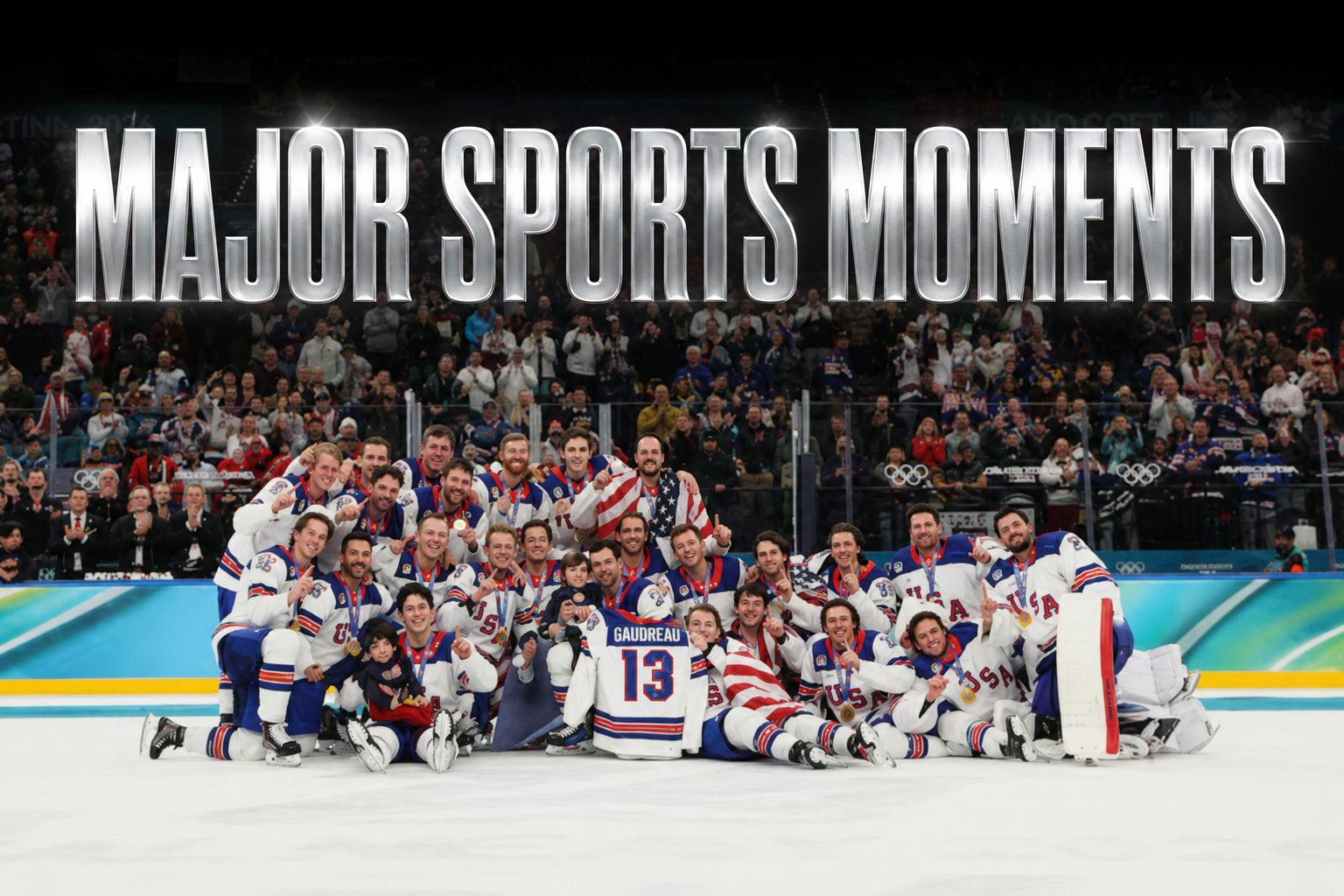
Major sports moments are no longer limited to the brands with the biggest sponsorship budgets.
When the World Cup, March Madness, rivalry weekends, conference championships, or tentpole campus events dominate the conversation, the cultural attention spills into gyms, dorms, watch parties, local restaurants, retail moments, training routines, and social feeds. That creates a large opportunity for brands that want relevance without claiming an official relationship they do not have.
The better question is not, “How do we attach ourselves to the event?”
It is: “What real athlete, fan, campus, or local story can we credibly help tell?”
Brands do not need official event sponsorship to create relevant sports-adjacent campaigns. They do need a rights-aware strategy. Athlete influencer campaigns work best when they focus on authentic creator experiences — training, preparation, local fandom, watch rituals, campus energy, and product relevance — rather than protected logos, official event marks, match footage, or sponsor-like language.
That distinction matters. Sports culture is powerful because it is emotional and local. Sponsorship rights are powerful because they are protected. The brands that win the space between those two realities are the ones that brief creators clearly, respect event IP, and let athletes tell stories that are true to their own communities.
Why sports-adjacent storytelling is becoming more valuable
The biggest sports moments now behave like cultural platforms. A tournament is not just the games on the field. It is the travel, food, fashion, training, watch parties, campus traditions, group chats, social clips, and local pride around it.
That is why global brand campaigns increasingly lean into fan emotion and cultural participation rather than pure product promotion. The opportunity for non-sponsor brands is similar, but the execution has to be more careful: participate in the surrounding culture without implying official affiliation.
For brand marketers, this creates a practical shift:
- The story does not need to be about the official event.
- The creator does not need to be a national celebrity.
- The campaign does need a credible local angle.
- The content does need clear rights and approval guardrails.
- The message should feel like it belongs in the athlete’s world, not like an event logo was pasted onto an ad.
This is where athlete creators are especially useful. College athletes and athlete influencers sit close to sports culture every day. They can show how a product fits into preparation, recovery, travel, nutrition, style, fandom, campus life, or community moments in a way that feels more grounded than a generic brand post. For brands running NIL Deals around these moments, the athlete partnership should be structured around a real creator story, approved deliverables, and clear content-review steps rather than a loose request to “post about the event.”
The safest adjacency is built around people, places, and rituals
A rights-aware sports-adjacent campaign should start with what the brand can authentically own.
That might be:
- A pre-game routine.
- A watch-party recipe.
- A campus challenge.
- A city-specific activation.
- A training or recovery moment.
- A fan tradition.
- A local retail stop.
- A product use case around travel, energy, comfort, food, apparel, or celebration.
These angles give athletes room to create content that is relevant to the broader moment without requiring the brand to use protected event assets.
For example, a beverage brand does not need to claim official tournament status to support “watch-party hosting essentials.” A footwear brand does not need official rights to talk about “training through tournament season.” A local restaurant does not need event IP to build a creator campaign around “where fans gather before the game.”
The point is to connect to the behavior around the moment, not to misrepresent a relationship with the event itself.
What brands should avoid
This is not legal advice, and campaigns should be reviewed by counsel where needed. But from a practical marketing-operations standpoint, brands should be cautious around anything that creates a misleading impression of official affiliation.
Common risk areas include:
- Official event names, logos, mascots, artwork, typography, or protected taglines.
- Team crests, uniforms, distinctive kit designs, or school marks without permission.
- Player names, likenesses, imagery, or celebrations without appropriate rights.
- Match footage, broadcast clips, or event photography.
- Sponsor-like language such as “official,” “partner,” “home of,” or “presented by” when the brand is not actually a sponsor.
- Ticket giveaways or promotions using event tickets without permission.
- Hashtags that incorporate protected event marks or imply official affiliation.
- Paid creator posts that blur whether the brand is connected to the event owner, league, federation, school, or team.
The line is not always one keyword. Context matters. Creative, timing, placement, hashtags, creator captions, and visual assets all work together to shape what an audience might reasonably believe.
That is why campaign structure matters as much as the idea.
A practical framework for sports-adjacent athlete campaigns
1. Choose the cultural angle before choosing the creator
Start with the behavior the brand wants to be part of. Is this about preparation? Fandom? Local pride? Food and beverage? Travel? Apparel? Recovery? Celebration? Community?
A clear angle makes creator selection easier. It also gives the approval team a better way to evaluate whether each post stays within the intended lane.
2. Match athletes by relevance, not just reach
For localized campaigns, the most valuable athlete is not always the largest account. A smaller creator with strong campus relevance, a trusted local audience, or an authentic tie to the product moment may outperform a broader but less connected partner.
Useful matching criteria include:
- Location or campus market.
- Sport and audience fit.
- Content style.
- Brand safety.
- Engagement quality.
- Demographic fit.
- Prior content around routines, fandom, lifestyle, or community.
The goal is credibility. If the story would not make sense coming from that athlete, the audience will feel it.
3. Brief the boundaries as clearly as the creative idea
Athletes create better content when they know both what to say and what to avoid. A strong brief should include:
- The campaign goal.
- The audience.
- The core message.
- Required disclosures.
- Approved claims.
- Prohibited marks, phrases, visuals, or hashtags.
- Content examples that are directionally safe.
- Review deadlines.
- Revision expectations.
This is where many campaigns get messy. The creative team may understand the idea. The legal team may understand the risks. The athlete may only see a short caption prompt. A structured workflow keeps everyone aligned.
4. Build the approval path before content goes live
Sports moments move quickly. That speed can tempt teams to loosen review standards. The better approach is to define the workflow in advance:
- Who approves creator briefs?
- Who reviews first drafts?
- Who checks rights-sensitive language?
- Who confirms disclosures?
- Who owns final approval?
- What happens if a post needs to change after review?
For athlete influencer campaigns, the operational layer is not administrative overhead. It is what allows brands to move quickly without losing control of claims, timing, or rights guardrails.
5. Measure the local story, not just the macro moment
If the campaign is built around localized relevance, measurement should reflect that. Track performance at the creator, market, audience, and content-format level.
Useful measures include:
- Reach and impressions.
- Engagement rate.
- Saves, shares, and comments.
- Creator completion rate.
- Content approval turnaround time.
- Market-level performance.
- Cost per engaged view or cost per engagement.
- Qualitative signal from comments and reposts.
The question is not only, “Did we ride the big moment?” It is, “Which local stories, athletes, and formats created the strongest brand response?”
MOGL proof point: Goodyear’s localized NIL activation
A useful example is Goodyear’s NIL activation with MOGL.
The campaign was not a generic product post. It was built around a distinctive local moment: Lollapalooza weekend in Chicago, nearby college athletes, and the Goodyear Blimp. According to the public MOGL case study, the campaign featured the first-ever NIL activation with the Goodyear Blimp, activated two athletes, included VIP flights 1,500 feet above Chicago, and reached more than 80,000 combined Instagram followers.
That is the strength of localized athlete storytelling. The brand asset was memorable, the market context was specific, and the athletes helped translate the experience into social content.
The claim boundary is important: this proof point should be used as an example of local, experience-led NIL storytelling. It should not be positioned as connected to the World Cup or any unrelated event.
How MOGL helps operationalize this
The hard part of sports-adjacent athlete marketing is not only finding athletes. It is managing the full workflow so NIL Deals, creator deliverables, approvals, disclosures, and performance reporting stay organized from brief to final post.
MOGL helps brands bring that process into one operating layer:
- Athlete discovery and matching.
- Campaign brief creation.
- Deliverable management.
- Content submissions.
- Reviews and approvals.
- Rights and claim guardrails.
- Performance tracking.
- Reporting across creators and campaigns.
That matters most when the campaign is time-sensitive. Major sports moments create urgency. A platform-based workflow gives teams a way to move quickly without relying on scattered spreadsheets, DMs, and manual follow-up.
In Summary
Brands can participate in major sports moments without official sponsorship, but they should not behave like sponsors if they are not sponsors. The stronger strategy is athlete-led adjacency: real creators, local context, fan rituals, clear briefs, rights-aware guardrails, and measurable execution.
For marketers planning around the World Cup, March Madness, rivalry weekends, or other cultural sports moments, the practical playbook is straightforward:
- Build around behaviors and rituals, not protected marks.
- Use athletes who have genuine relevance to the audience or market.
- Brief both creative direction and compliance boundaries.
- Review content before it goes live.
- Measure which local stories actually move the audience.
The brands that do this well will not need to force themselves into the official event narrative. They will show up where sports culture already lives.
FAQ
How can brands create sports-adjacent campaigns without official sponsorship?
Brands can create sports-adjacent campaigns by focusing on athlete routines, fan rituals, local market moments, product use cases, and community stories rather than protected event marks or sponsor-like claims. The campaign should make clear what the brand is actually part of and avoid implying official affiliation with an event, team, league, or player unless those rights are secured.
Why are athlete influencers useful for localized sports marketing moments?
Athlete influencers bring credibility, local relevance, and social distribution. They can connect a brand to campus culture, training routines, fan communities, and real-life sports moments in ways that feel more authentic than generic brand creative.
What should brands avoid when marketing around the World Cup or other protected events?
Brands should avoid official marks, logos, event names used in a way that implies sponsorship, protected hashtags, team imagery, match footage, ticket promotions, player likenesses, and sponsor-like language unless they have the rights to use them. Campaigns should be reviewed for legal and brand-safety risk before posting.
How does MOGL help brands execute athlete-led, rights-aware campaigns?
MOGL helps brands manage athlete discovery, campaign briefs, deliverables, content submissions, approvals, compliance guardrails, and performance reporting in one workflow. That structure helps teams move quickly around cultural sports moments while keeping creator content organized and reviewable.