How Brands Can Turn the “Irreplaceable Instinct” Creative Shift Into Better Athlete Influencer Campaigns
The “Irreplaceable Instinct” creative shift means brands should stop treating creator content like a cheaper version of polished advertising. If your audience is rewarding raw, human, platform-native storytelling, your athlete influencer campaign should give creators a clear strategic lane while preserving the lived-in details that make the content feel real.
That does not mean abandoning brand safety, approvals, or measurement. It means building NIL Deals and Influencer Marketing workflows that protect authenticity instead of sanding it down.
Why are polished creator ads starting to feel less effective?
Polished creator ads can underperform when they look like they were reverse-engineered in a conference room instead of made by someone who understands the audience. The problem is not production quality by itself. The problem is creative that feels too synthetic, too broadly scripted, or too disconnected from the way people actually talk on TikTok, Reels, Stories, and Spotlight.
TikTok’s official Next 2026 trend report frames this shift around “Irreplaceable Instinct,” a broader move toward human judgment, discovery, and imperfect but culturally fluent storytelling. For brand marketers, the practical takeaway is simple: the feed is training people to recognize when creative feels manufactured.
That is especially important for Gen Z campaigns. This audience sees hundreds of brand messages, creator posts, stitched videos, comment reactions, and paid ads in the same environment. If your paid creator content feels like a standard ad wearing a creator costume, it loses the advantage you hired the creator for in the first place.
Athlete Influencers are valuable here because their credibility often comes from specific context: training routines, locker-room humor, campus life, game-day rituals, travel, recovery, product habits, and fan identity. Those details are hard to fake. They are also hard to extract if the brief only says, “Mention these three product benefits.” Much like Snapchat found when working with MOGL for a authentic storytelling.
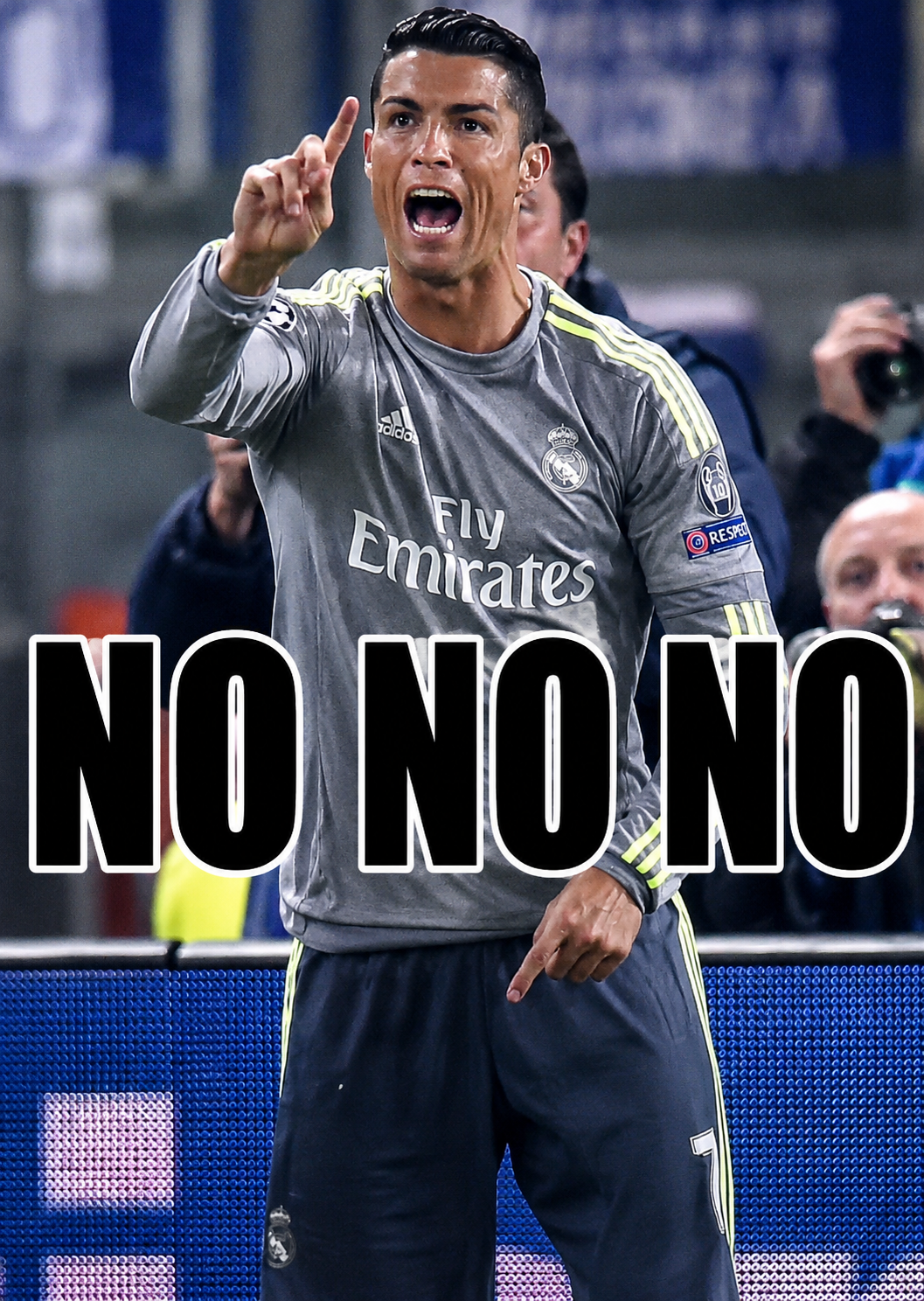
What is the “No No No” pattern interrupt and why does it work?
The “No No No” style pattern interrupt works because it starts with a recognizable mistake before introducing the product as the fix. Instead of opening with a polished product claim, the creator points at an “efficiency crime” or everyday behavior the audience already understands: don’t pack that way, don’t recover like that, don’t show up to class like that, don’t buy that before you try this.
For brands, the format is useful because it creates a natural bridge between entertainment and product education:
The first beat earns attention through recognition. The second beat names the mistake in the audience’s language. The third beat introduces the product as the practical correction. The final beat gives the viewer a reason to remember or act.
Athletes can make this feel more credible when the “mistake” connects to something they actually experience. A basketball player talking about post-practice hydration, a volleyball player showing what not to pack for a travel weekend, or a student-athlete calling out a bad recovery routine can all feel more native than a generic lifestyle creator reading a product line.
The key is not to copy the audio trend mechanically. The key is to understand the underlying creative structure: real observation, fast tension, practical correction, and a creator who has permission to sound like themselves.
Do Athlete Influencers create more authentic brand content than standard influencer campaigns?
Athlete Influencers can create more authentic brand content when the campaign is built around their real context. They are not automatically better for every product or every audience, but they can be especially strong when your brand needs cultural proximity, routine-based usage, campus relevance, sports credibility, or Gen Z trust.
A standard influencer campaign often starts with follower counts, audience demographics, and content categories. Those still matter. But athlete influencer campaigns add another layer: the athlete’s role in a community. Their audience may know their sport, school, training schedule, game-day rhythm, or personality. That context can make simple content feel more meaningful.
For NIL Deals, the best creative briefs usually answer five questions:
- What real moment should the athlete build around?
- What audience behavior or mistake should the content speak to?
- What product role is credible in that moment?
- What claims must be avoided or reviewed?
- What usage rights, paid boosting rights, and reporting requirements does the brand need?
If those questions are clear, the athlete has enough structure to protect the brand and enough freedom to preserve the creative instinct.
How can brands turn raw athlete content into paid social creative?
Raw content performs best when the campaign operation is structured before the first post goes live. The mistake many teams make is treating authenticity and process as opposites. In practice, the process is what lets you scale authentic content without creating chaos.
A stronger workflow looks like this:
1. Start with audience truth, not product copy
Before briefing athletes, define the audience behavior you want the content to react to. For example: busy students skipping breakfast, athletes overcomplicating recovery, fans waiting too long to buy event tickets, or gym-goers choosing products that do not fit their routines.
That audience truth becomes the creative anchor. Product benefits should support it, not replace it.
2. Recruit athletes with credible context
The right athlete is not always the athlete with the biggest following. For this kind of campaign, fit matters more than raw reach. You want athletes whose sport, school, lifestyle, personality, or content style naturally supports the message.
A creator with a smaller but more engaged campus audience may be more useful than a larger creator who has no believable connection to the category.
3. Brief the format, not every word
Give athletes the creative shape: hook, mistake, product correction, disclosure, key claim boundary, CTA. Avoid scripting the entire post unless there is a legal or compliance reason to do so. The more the copy sounds like a brand wrote it, the more you lose the advantage of the creator.
4. Separate creative approval from performance amplification
Approve the content for brand safety, claims, NIL compliance, and disclosure first. Then decide which assets deserve paid boosting, whitelisting, Spark Ads, Reels amplification, or reuse across other channels.
This lets you preserve the native feel of the original content while still applying a media-buying lens to what scales.
5. Measure both content output and paid performance
Track deliverables, post timing, approvals, usage rights, engagement, CPM/CPC where applicable, and qualitative creative learnings. The goal is not just one post. The goal is a repeatable creative system that gets smarter over time.
What does a strong NIL content engine look like in practice?
A strong NIL content engine gives athletes creative prompts, clear expectations, and operational support, then measures output consistently. It should feel flexible to the creator and controlled to the brand.
Our Snapchat case study is a useful public example. In our first-of-its-kind NIL content engine with Snapchat, 23 athletes were activated, 12 completed the full eight-week program, and participants produced high-volume content through Snapchat Stories and Spotlight. The program generated 200+ Stories per week and 1.3M+ organic views across athlete content.
That proof point matters for the “Irreplaceable Instinct” shift because the campaign was not built around one over-polished hero asset. It was built around recurring athlete storytelling: personal moments, day-in-the-life posts, workouts, humor, and campus culture.
For brands, that is the lesson. Authenticity becomes more scalable when the workflow is clear:
Athlete selection is intentional. Prompts are specific enough to guide action. Deliverables are measurable. Approvals are organized. Content rights and amplification paths are defined. Reporting captures what actually worked.
What should brands brief athletes to create when authenticity matters?
When authenticity matters, brief athletes around situations instead of slogans. Give them a real scenario, a target audience, a product role, and a few boundaries. Then let them translate the idea into their own voice.
Useful brief prompts include:
“Show the mistake your teammates or classmates keep making.” “Walk through the routine you changed once you started using the product.” “Make a quick ‘don’t do this / do this instead’ post tied to a real campus or training moment.” “Show what you pack, eat, wear, use, or do before a specific activity.” * “React to a common misconception your audience has about the category.”
The brief should also include the operational details that protect the campaign:
Required disclosure language. Product claims that need approval. Claims the athlete should not make. Submission deadline. Revision process. Usage rights and paid amplification permissions. * Reporting requirements.
This is where a marketplace or managed NIL platform can matter. The creative should feel human, but the campaign still needs coordination behind the scenes.
Who should manage athlete influencer campaigns from selection to approvals?
The owner should be whoever can connect strategy, athlete fit, content operations, compliance-aware review, paid media, and reporting. For some brands, that is an internal influencer marketing team. For others, it is a partner that can manage athlete sourcing, deal logistics, content approvals, and performance reporting in one workflow.
The important point is that “raw” does not mean unmanaged. In fact, raw creative usually needs more operational discipline because the best ideas can move quickly. If the approval path is unclear, the brand either slows the creator down or lets risky claims slip through.
A good operating model gives each party a clear job:
The brand defines goals, audience, claims, product priorities, and success metrics. The athlete brings the lived context, voice, and platform-native execution. The campaign operator manages sourcing, contracts, disclosures, approvals, content rights, paid usage, and reporting. The media team identifies which assets deserve amplification.
That structure keeps the content from becoming generic while still making it usable for performance marketing.
In Summary
The “Irreplaceable Instinct” shift rewards creator content that feels human, contextual, and platform-native. Polished production is not the enemy; synthetic, over-scripted creative is. Athlete Influencers can be especially effective when the product connects to real routines, campus life, training, recovery, sports culture, or Gen Z identity. The “No No No” pattern works because it starts with a relatable mistake before positioning the product as the fix. Brands should brief athletes around situations and audience truths, not just product claims. Strong NIL Deals still need clear disclosures, approvals, usage rights, paid amplification plans, and reporting. * Our Snapchat content engine case study shows how structured support can help athlete storytelling scale without making every asset feel overproduced.